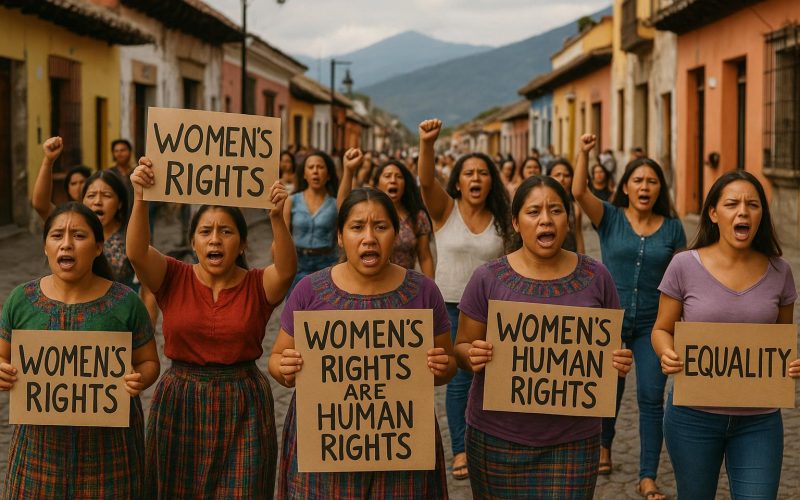
Introduction to Women’s Rights and Gender Equality Movements
Women’s rights and gender equality movements have been crucial in reshaping societies and communities worldwide. These movements aim to achieve equal rights and opportunities for all genders, focusing on issues such as gender discrimination, violence against women, and economic inequality.
Historical Context
Women’s rights movements have a long history dating back to the late 19th and early 20th centuries with the suffrage movement. This movement was pivotal in allowing women the right to vote, which was a significant step in gender equality. Over the decades, various other movements have addressed different facets of gender inequality.
Early Strides and Suffrage
The initial thrust of women’s rights advocacy centered around the suffrage movement, predominantly during the late 1800s and early 1900s. The struggle was not merely about obtaining the right to vote, but also laid the groundwork for broader societal reform. Women’s suffrage was about recognizing women as equal citizens with the capacity to contribute to national discourse.
The suffrage movement saw numerous suffragists and suffragettes employing relentless activism, lobbying, and social campaigns to make their voices heard. The campaign for voting rights signified a radical demand for the recognition of women’s autonomy and capacity. The success of this movement is emblematic of collective action effecting significant societal change.
First-Wave Feminism
First-Wave Feminism primarily focused on legal issues such as voting rights and property laws. It laid a firm foundation for legal equality and represented a radical idea that women should have rights identical to men’s in terms of legislative participation. Milestones like the 19th Amendment in the United States marked critical victories—not only politically, but culturally—reinforcing the idea that women’s perspectives are essential for a holistic approach to governance and leadership.
Second-Wave Feminism
Emerging in the 1960s and 1970s, Second-Wave Feminism shifted the focus to include a broader spectrum of issues. It challenged societal norms around sexuality, workplace rights, and reproductive rights. The movement pressed against traditional gender roles, stressing the necessity of equality in both private and public spheres.
Influential books, such as The Feminine Mystique by Betty Friedan, catalyzed discourse around women’s roles. Furthermore, the establishment of organizations dedicated to women’s health and workplace equality showed the comprehensive nature of this wave. It uniquely highlighted the intersectionality of women’s experiences, connecting personal struggles with political activism.
Third-Wave Feminism
The 1990s saw the emergence of Third-Wave Feminism, a movement that has sought to embrace diversity and individuality. This wave emphasized the idea that feminism must adapt to include varied identities beyond gender binary systems. The movement pushed for an inclusive approach to feminism, one that respected race, ethnicity, sexual orientation, and socio-economic status.
Third-wave feminists critiqued previous movements for their lack of racial diversity and consideration of the multitudinous forms of oppression. They advocated for a more nuanced understanding of equality and pushed for an ideological shift towards embracing different experiences and perspectives.
Current Global Movements
In recent years, gender equality movements have transcended their traditional scopes and have gained significant global traction. Numerous issues are now at the forefront of these movements, including educational disparities, pay inequality, and gender-based violence. This expansion shows an increasing acknowledgment of gender issues as pivotal global concerns.
One of the prominent global entities advocating for gender equality today is UN Women, which serves as a vital catalyst for comprehensive initiatives addressing gender-based challenges. The organization is instrumental in driving public policies that protect women’s rights and promote gender parity internationally.
Contemporary Challenges and Noteworthy Achievements
The influence of gender equality movements is evident through the growing number of women in leadership positions across various sectors. Increased female representation in politics, business, and education highlights the positive impact of these movements and underscores the progress made towards gender equality.
Despite notable achievements, persistent challenges such as systemic inequalities and enduring stereotypes still prevail. These challenges hinder the progress of gender parity and perpetuate disparities in opportunities and treatment. As such, the fight for gender equality requires continuous advocacy and innovation to address and dismantle entrenched structures of discrimination.
Grassroots organizations and international bodies work collaboratively to propose solutions and generate awareness about these issues worldwide. These efforts are pivotal in fostering an understanding of gender equality’s significance and the necessity for unwavering commitment to the cause.
Looking Forward
The movement for women’s rights and gender equality remains a dynamic and evolving landscape, with ongoing challenges and opportunities for positive change. Understanding these movements’ historical and current contexts helps in appreciating their significance and guiding future efforts.
Future advocacy will demand a more intersectional approach, ensuring all voices are heard. There is a need for inclusive dialogue and policy-making that reflect diverse experiences. Such an approach is essential in creating a society that not only promotes equality but also embraces diversity.
The continued evolution of women’s rights and gender equality movements invites a reflective examination of progress and challenges. Through these collective efforts, meaningful societal transformation remains within reach, offering the possibility of a more equitable and just world for everyone.