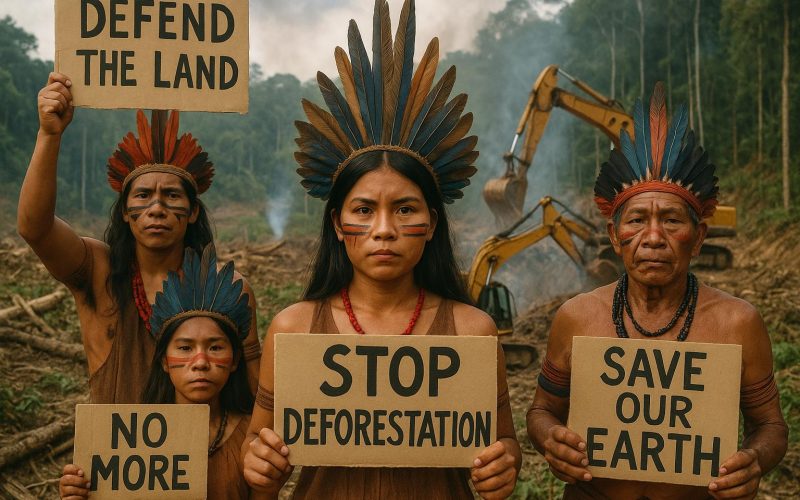
Understanding Indigenous Rights and their Importance
Indigenous rights refer to the collective and individual rights possessed by Indigenous peoples, which are recognized in international frameworks like the United Nations Declaration on the Rights of Indigenous Peoples (UNDRIP). These rights are crucial for the maintenance and protection of the unique cultures, languages, and traditions of Indigenous communities. By recognizing these rights, Indigenous peoples are empowered to independently govern and manage their lands, territories, and resources.
The Relationship Between Indigenous Rights and Land Preservation
The bond between Indigenous rights and land preservation is significant and deeply rooted. Indigenous peoples often have a profound spiritual and cultural connection to their lands. This relationship has led to sustainable land-use practices that have been carefully nurtured over countless generations. Studies indicate that lands managed by Indigenous communities frequently demonstrate reduced deforestation rates and lower biodiversity loss compared to other lands. This management is reflective of their enduring commitment to protecting and maintaining the health of the natural landscapes they call home.
Indigenous management practices often prioritize balance and sustainability, acknowledging the interconnected nature of ecosystems. Such practices consistently show the importance of Indigenous perspectives in broader conservation and land management strategies, underscoring the role these communities play in preserving global biodiversity and natural resources.
Key International Frameworks
Several significant international frameworks recognize the vital importance of Indigenous rights. The UNDRIP stands out as a primary framework, establishing global standards for Indigenous rights that include, but are not limited to, the right to cultural expression, land restoration, and self-determination. Additionally, the International Labour Organization’s (ILO) Convention No. 169 focuses on the rights of Indigenous and tribal peoples, advocating for their protection and acknowledging their integral role in land stewardship.
UNDRIP addresses various aspects of Indigenous peoples’ lives, ensuring their dignity and well-being. It signifies a global acknowledgment of the importance of preserving these cultures, many of which face threats of assimilation and loss. This declaration provides a crucial reference point for the crafting of policies and laws that seek to respect Indigenous communities’ autonomy and rights.
Challenges in Implementing Indigenous Rights
Despite strong international agreements, numerous challenges hinder the implementation of Indigenous rights. From government reluctance to systemic legal barriers, these challenges impede progress. Frequent conflicts over natural resources further complicate matters. Far too often, development projects encroach on Indigenous lands without prior consultation or approval, sparking disputes and sometimes leading to the displacement of entire communities.
Environmental degradation and climate change pose additional threats, intensifying the vulnerabilities of Indigenous communities. With traditional lands being altered and, in some cases, rendered uninhabitable, Indigenous peoples face daunting challenges when it comes to preserving their cultural heritage and sustaining their ways of life.
Case Studies and Success Stories
Certain examples worldwide have showcased the successful integration of Indigenous rights with land preservation. In Australia, the creation of Indigenous Protected Areas (IPAs) has been particularly noteworthy. These areas are managed by Indigenous Traditional Owners, providing a powerful testament to the efficacy of Indigenous-led biodiversity conservation efforts. The protection of these lands serves as evidence that Indigenous-managed territories can lead to positive environmental outcomes.
Another successful model can be found in Canada with the First Nations-led Great Bear Rainforest agreement. This initiative has successfully safeguarded extensive swathes of temperate rainforest while advocating for Indigenous stewardship and promoting sustainable economic development. Such agreements bring together Indigenous knowledge and modern conservation science to protect natural resources actively. Read more about it here.
Both of these examples demonstrate how collaboration between Indigenous communities and governments can yield impactful results that benefit the environment and local economies.
The Road Ahead for Indigenous Rights and Land Preservation
The journey toward strengthening and fully implementing Indigenous rights is ongoing and necessitates continuous efforts. Support from both national governments and international bodies is essential in overcoming the historical inertia that has often thwarted progress. Establishing arenas for meaningful dialogue, ensuring free and informed consent, and acknowledging Indigenous governance structures are critical steps toward enhancing Indigenous rights.
Recognizing the central role of Indigenous peoples in global environmental management reinforces the interconnected objectives of conservation and development. By fostering genuine partnerships and respecting Indigenous knowledge systems, broader goals of environmental stewardship and sustainable growth can be effectively achieved. Ultimately, the protection of Indigenous rights is not just a social and cultural concern; it is crucial to the global pursuit of ecological balance and sustainability.