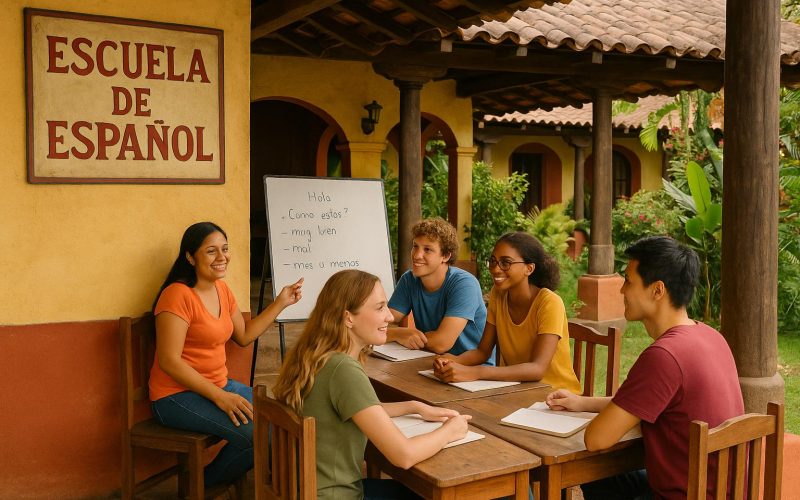
The Influence of Spanish Language Schools on Tourism
The growth of Spanish language schools has had a notable impact on tourism, attracting a diverse range of travelers seeking both leisure and educational experiences. The integration of language learning with travel has opened new avenues for cultural exchange and economic development, leading to significant changes in both the education and tourism sectors.
Market Expansion
Spanish is one of the most widely spoken languages globally, with over 460 million native speakers. This prevalence motivates many individuals to pursue language learning for personal, professional, or academic reasons. The widespread interest in mastering Spanish has led to the establishment of numerous language schools around the world, particularly in Spanish-speaking countries. These institutions, located in countries like Spain, Mexico, and Argentina, have emerged as popular destinations for tourists who wish to combine language acquisition with cultural experiences.
These language schools attract students from various backgrounds, offering courses tailored to different skill levels and interests. The broad appeal of learning Spanish has led these schools to act as key players in the tourism sector, significantly contributing to its economic landscape. With classes ranging from beginner to advanced levels, these schools cater to a broad audience that spans tourists, expatriates, and professionals aiming to enhance their linguistic abilities for career advancement.
Cultural Immersion
One of the major attractions of Spanish language schools is their ability to offer students a deep cultural immersion, which is increasingly becoming a significant draw for students. Language schools often incorporate cultural activities into their programs, offering students a comprehensive experience that goes beyond traditional classroom learning. Activities such as cooking classes, dance lessons, and guided tours of historical sites are common offerings that provide rich insights into local customs and traditions.
Cultural immersion not only fosters an authentic understanding of local customs, traditions, and history but also enhances the appeal of a given destination. This form of immersive learning encourages repeat visits and positive word-of-mouth promotion, as students are likely to share their unique cultural experiences with others. The ability to immerse oneself in the local culture is a compelling feature that sets Spanish language schools apart from other types of language education.
Economic Impact
The influx of students from international destinations increases demand for local services, including accommodation, dining, and transportation. This surge in demand positively impacts local economies, providing a steady stream of revenue for businesses in the area. Hotels, hostels, and rental accommodations benefit from increased bookings, while restaurants and cafes experience a rise in patronage from students seeking to try local cuisine.
Additionally, this influx of students often results in the creation of local employment opportunities. Language schools require administrative staff, instructors, and support personnel, thus facilitating job creation within the community. By enabling job growth, language tourism contributes to the overall economic well-being of the host destination, creating a virtuous cycle of development and prosperity.
Challenges and Opportunities
Despite the positive impact of language tourism, there are challenges associated with this form of tourism. Overcrowding in popular areas can strain local infrastructure and resources, leading to potential conflicts between residents and tourists. Traffic congestion, overuse of public amenities, and increased noise levels are common issues that destinations hosting language schools may face.
Moreover, the seasonal nature of language tourism presents another challenge, with periods of high demand often followed by quieter, off-peak periods. This fluctuation in demand can create uncertainty for local businesses that depend on a consistent flow of customers, potentially affecting their long-term viability.
However, these challenges also present opportunities for growth and innovation. By promoting lesser-known destinations and integrating sustainable practices, communities can enhance their appeal while preserving local culture and resources. Encouraging the development of language schools in less-commercialized areas provides a way to distribute the benefits of tourism more evenly, reducing the strain on popular tourist spots.
There is also the opportunity to integrate technology into the language learning experience, with the rise of digital platforms offering virtual language classes. This approach not only increases accessibility for learners worldwide but also presents a new revenue stream for language schools, diversifying their offerings and appeal.
For those interested in exploring the role of language schools in tourism and how they are shaping local economies, further research and insights can be gained from studies and reports produced by regional tourism boards or scholarly articles in academic journals focused on language education and tourism. These resources provide valuable information on best practices, strategies for sustainable development, and insights into the economic impact of language tourism.