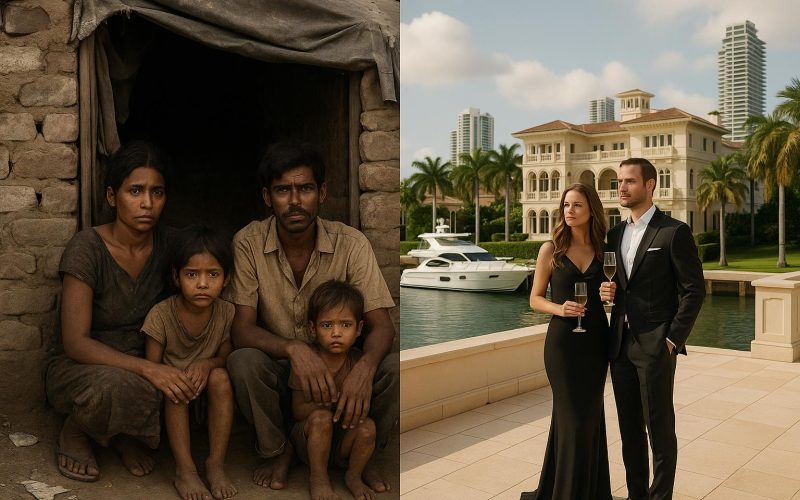
Overview of Poverty and Inequality in Central America
Central America, encompassing seven distinct nations—Belize, Costa Rica, El Salvador, Guatemala, Honduras, Nicaragua, and Panama—is a region where economic diversity is both a defining trait and a critical challenge. Despite efforts to improve the economic landscape, both poverty and inequality continue to significantly affect millions of residents throughout the region. These issues are fundamentally intertwined with the dynamics of wealth distribution and the accessibility of essential services, resulting in stark contrasts across these nations.
Poverty Levels
Poverty in Central America is a multi-faceted issue, with varying degrees of severity between countries. According to the World Bank, about one-third of Central American residents live below the national poverty line, but this overarching figure belies the depth of poverty faced by certain communities. For instance, in Honduras and Nicaragua, poverty rates soar above 40% due to factors such as insufficient educational resources, substandard health services, and a dearth of viable employment opportunities. These elements combine to entrench poverty deeply within the societal fabric, challenging policymakers and communities to find sustainable solutions.
Economic Factors
Several economic elements are instrumental in promoting poverty’s enduring presence across the region. A fundamental aspect of Central America’s economic landscape is its reliance on agricultural sectors and low-skill industrial employment, sectors that traditionally offer limited financial upliftment or long-term economic stability. Compounding these limitations is the frequent occurrence of political instability and natural disasters, both of which disrupt economic efforts aimed at alleviating poverty. The cyclical nature of these challenges necessitates resilient and adaptable economic strategies for improved progress. Further information on this topic is available through resources such as World Bank reports.
Inequality in Wealth Distribution
In Central America, inequality in wealth distribution remains a prominent issue, manifesting as a pronounced disparity between a small affluent demographic and a vast majority experiencing poverty. This economic structure not only stresses social cohesion but also magnifies poverty levels by restricting access to educational and economic opportunities crucial for upward mobility. Tools like the Gini coefficient, which evaluates income inequality, vividly illustrate the extent of these disparities, highlighting the need for policy interventions aimed at reducing inequality and promoting a fairer economic distribution.
Impact on Social Services
The ramifications of economic inequality extend beyond income distribution, significantly affecting the provision and quality of social services. Access to essential services such as education and healthcare is often insufficient, especially in rural and economically disadvantaged areas. This lack of adequate social services perpetuates a cycle of poverty, as limited educational opportunities hinder workforce development, and inadequate healthcare restricts labor productivity. While governments throughout Central America are actively attempting to enhance these services, challenges persist due to fiscal limitations and political volatility.
Efforts to Address Poverty and Inequality
In response to these overarching challenges, a variety of initiatives and policies have been implemented to address poverty and inequality. Education reform is a central focus in numerous countries, seeking to reduce inequality through enhanced school infrastructures and curricula. Similarly, improvements in public healthcare systems aim to broaden access and reduce barriers to essential health services. International organizations such as the United Nations and regional entities like the Central American Integration System (SICA) offer crucial support, aligning efforts towards economic development and social progress. More detailed insights into such initiatives are accessible through governmental and international organization publications.
Role of Education
Investing in education is perceived as a fundamental strategy to redress inequalities and foster economic growth. Education reforms aim to deliver equal opportunities to all, irrespective of economic background. By equipping individuals with necessary skills through vocational training and improved schooling, Central American countries hope to break the persistent cycle of poverty. Educational initiatives often emphasize increasing enrollment in rural regions and enhancing teacher training to ensure a high-quality learning environment.
Healthcare Advancements
Improving healthcare systems is another pivotal component of tackling poverty. By increasing the availability and quality of healthcare services, these countries aim to enhance the overall quality of life, which subsequently improves labor productivity and economic participation. Efforts to increase healthcare funding, reduce out-of-pocket expenses, and provide comprehensive healthcare coverage are steps in the right direction. Such improvements in health infrastructure not only foster a healthier populace but also contribute directly to economic resilience.
Economic Diversification
Achieving economic diversification is essential for reducing Central America’s vulnerability to external shocks and enhancing economic resilience. Currently, the region’s economy is heavily dependent on agriculture and low-skill labor markets, which are susceptible to global market fluctuations and environmental changes. By fostering a more diverse economic structure, with vibrant sectors such as technology, services, and renewable energy, these countries can provide more stable and higher-paying jobs, thereby reducing poverty rates and improving social conditions.
In conclusion, addressing the multifaceted issues of poverty and inequality in Central America involves an integrated approach that encompasses economic diversification, enriched education, improved healthcare, and ongoing support from international entities. While considerable obstacles remain, continued focus on these core areas promises potential for transformative change. The road ahead will demand concerted efforts from governments, private sectors, and international organizations, all working together to forge a future that offers equitable economic opportunities for all Central American citizens.