Introduction
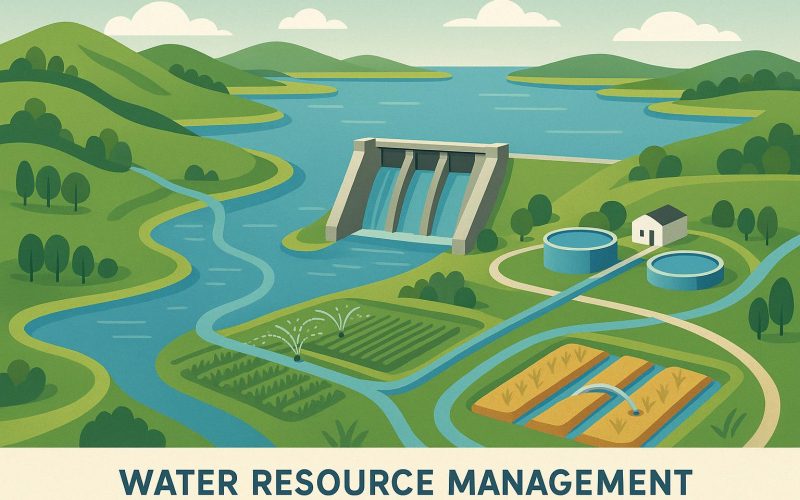
Water resource management is a vital aspect of sustainable regional planning and development. It encompasses the strategic oversight and use of water resources to meet both current and future human and environmental requirements. The efficient management of these resources is crucial for fostering economic growth, maintaining environmental health, and enhancing social well-being. This article delves into the significance of water resource management, the challenges faced, and the strategies to overcome them to ensure that water continues to support life at all levels.
The Importance of Water Resource Management
Effective water resource management plays a pivotal role for several reasons, with impacts spanning various sectors:
Economic Growth:
Water is integral to numerous industries including agriculture, energy, and manufacturing. These sectors rely heavily on a consistent and reliable supply of water to operate efficiently. For instance, agriculture, which is often the largest consumer of water, uses it for irrigation, crop production, and livestock maintenance. Similarly, in the manufacturing sector, water is used as a coolant, solvent, and a means of transportation for materials. In the energy sector, water is essential for generating both traditional and renewable energy. Therefore, strategic management of water resources is essential to prevent disruptions and to support continual industrial operations, thus contributing directly to economic stability and growth.
Environmental Protection:
Sustainable water management is fundamental to the preservation of natural ecosystems and biodiversity. Aquatic ecosystems, such as rivers, lakes, and wetlands, are extremely sensitive to water levels and quality. Proper management ensures that ecosystems are not deprived of the water they need to thrive, thereby maintaining biodiversity and ecological balance. Moreover, it mitigates the adverse effects of human activities, such as deforestation and urbanization, that have been known to disrupt water cycles and impact habitats negatively.
Social Well-being:
Access to clean and safe water is indispensable for human health and overall quality of life. Water is essential for drinking, cooking, sanitation, and hygiene. Effective management systems and policies can greatly enhance access to water and improve sanitation facilities, thereby reducing the incidence of waterborne diseases, improving public health outcomes, and elevating the overall living standards of communities.
Challenges in Water Resource Management
Despite the critical importance of water management, several challenges impede its successful implementation:
Population Growth:
With the global population continually expanding, there is an ever-increasing demand for water, which strains the available resources. This growth necessitates more judicious allocation and efficient use to avoid shortages and ensure sustainable supplies.
Climate Change:
Climate change poses a significant threat to water resources by altering precipitation patterns globally. These changes lead to more frequent and severe droughts and floods, demanding adaptive management strategies that are both resilient and robust. New approaches must be developed to anticipate and mitigate the adverse impacts of these climatic shifts on water availability and distribution.
Pollution:
Industrial and agricultural activities are major contributors to water pollution, which degrades water quality and can render it unsuitable for human consumption or ecological preservation. Pollutants such as chemicals, heavy metals, and nutrients lead to phenomena like algal blooms and aquatic dead zones. Rigorous regulation and active cleanup efforts are required to protect and restore water bodies from such contaminants.
Strategies for Effective Management
To address these challenges, implementing effective water management strategies is crucial, and these involve various approaches:
Integrated Water Resources Management (IWRM):
This approach advocates for a holistic method that accounts for the interconnectedness of different water uses and involves all stakeholders. IWRM promotes coordinated development and management of water, land, and related resources in order to optimize economic and social welfare without compromising the sustainability of vital ecosystems. By considering factors such as demographic, economic, and environmental impacts, IWRM processes facilitate comprehensive and informed decision-making.
Technology and Innovation:
Advancements in technology play a significant role in enhancing water management. Utilizing modern technologies like remote sensing, geographic information systems (GIS), and data analytics enables precise monitoring and management of water resources. Innovations such as smart meters, blockchain for water trading, and cloud computing for data storage enhance the efficiency and effectiveness of water resource management practices.
Community Involvement:
Engaging local communities in management processes is instrumental in ensuring that strategies are appropriate, practical, and supported by stakeholders. Community-based water management encourages local participation in water resource conservation and decision-making, which in turn ensures the strategies implemented are sensitive to the local realities and needs. This involvement fosters a sense of ownership and responsibility among community members, enhancing the sustainability of management efforts.
Conclusion
Water resource management is a multifaceted and dynamic challenge that requires coordinated and collaborative efforts across various sectors and stakeholders. By prioritizing sustainable practices, embracing technological innovations, and fostering community engagement, regions can effectively manage their water resources to ensure long-term availability and quality. The successful management of water resources involves balancing the needs of economic growth, environmental protection, and social well-being. For further reading and detailed case studies on water management initiatives, consider visiting this resource.