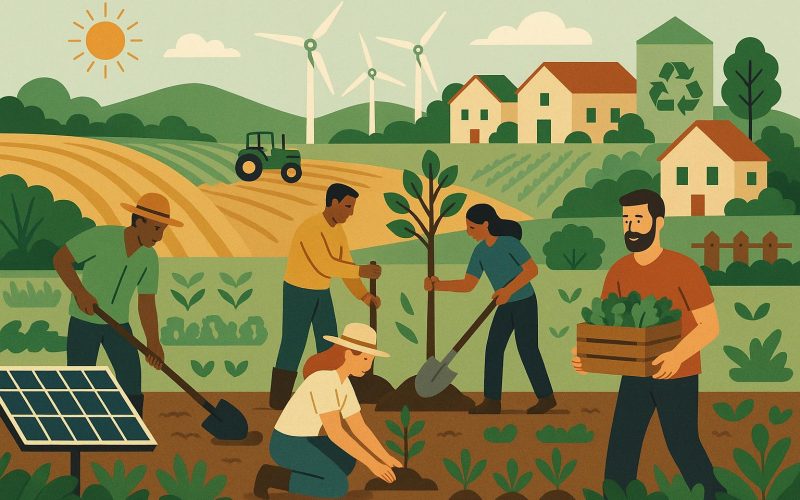
Sustainable Development in Central America
Central America, renowned for its rich biodiversity and vibrant cultural diversity, is progressively channeling its efforts towards sustainable development initiatives. This directional shift not only paves the way for preserving its abundant natural resources but also plays a pivotal role in advancing the socio-economic conditions of its populace. The concept of sustainable development in this region is guided by merging economic growth with environmental preservation and social equity, ensuring resources meet present needs while safeguarding these assets for future generations.
Renewable Energy Projects
The progression in renewable energy within Central America is notable. The region’s pledge to optimize natural resources such as solar, wind, and hydropower stands as a testament to its dedication. For instance, Costa Rica is exemplary, with a significant share of its energy deriving from renewable sources. The country’s initiative not only promotes environmental sustainability but also stimulates economic growth by creating jobs and fostering an energy-independent future. For further details on renewable energy projects in Costa Rica, visit Renewable Energy Costa Rica.
Hydropower Exploitation
Hydropower exploitation remains a pivotal element in the energy frameworks of numerous Central American nations. Countries such as Guatemala and El Salvador are progressively investing in broadening their hydropower capabilities. These nations are committed to diminishing the reliance on fossil fuels and curtailing carbon emissions, therefore fostering a cleaner, more sustainable environment. The hydropower sector not only assists in mitigating climate change but also provides a reliable energy supply that supports economic stability and development.
Community-led Conservation Efforts
Community-driven conservation initiatives hold significant importance across various Central American countries. Such endeavors engage local communities in the active preservation and sustainable management of their natural resources. The involvement of communities ensures that conservation efforts are both relevant and effective, leading to ecological preservation and enhanced community resilience. These initiatives cultivate a sense of stewardship and empower communities to protect the resources they depend on, which supports both environmental and socio-economic sustainability.
Biodiversity Conservation
Protecting Central America’s diverse species of flora and fauna is a crucial priority. Nations are implementing groundbreaking projects aimed at both conserving natural habitats and promoting sustainable tourism. Nicaragua, for instance, illustrates this approach by establishing protected areas that aid conservation efforts while also generating economic opportunities through eco-tourism. These protected regions serve dual purposes: maintaining ecological integrity and providing crucial revenue streams to local communities. For more insights into Nicaragua’s efforts, check Eco-Tourism Nicaragua.
Agricultural Sustainability
Sustainable agricultural practices remain a cornerstone in Central America’s sustainable development framework. These practices not only safeguard food security but also promote soil health and minimize environmental degradation. By adopting sustainable farming techniques, the region ensures that it maintains the productivity of its agricultural systems while mitigating adverse environmental impacts.
Agroforestry Practices
The adoption of agroforestry — integrating trees and shrubs into crop and animal farming systems — is gaining momentum in Central America. Agroforestry offers multiple benefits including enhanced biodiversity, reduced soil erosion, and increased land productivity. In Honduras, for example, the successful implementation of agroforestry practices has brought about notable benefits to both farmers and the surrounding ecosystems. This method not only aids in improving agricultural yields but also supports the larger environmental landscape by enriching soil health and fostering biodiversity.
The Broader Implications of Sustainable Development
Sustainable development initiatives in Central America cast a wide net, encompassing various activities that aim to harmonize economic growth with environmental stewardship and social equality. To succeed, these initiatives require regional cooperation, community engagement, and a continued commitment to investing in sustainable technologies. Education and awareness campaigns are essential to equip citizens with the knowledge and tools necessary for sustainable practices.
Regional Cooperation and Community Involvement
Regional cooperation plays an indispensable role in achieving sustainable development goals. The collective effort across Central America enables the sharing of resources, knowledge, and best practices. Countries often collaborate on transboundary environmental issues such as water resource management and biodiversity conservation. Community involvement ensures that the people most affected by these initiatives have a voice in their development and implementation. Empowering local populations with education and resources fosters a bottom-up approach to sustainability.
Investments in Sustainable Technologies
Investments in sustainable technologies drive innovation and efficiency, establishing robust economic foundations and reducing environmental impacts. Advancements in energy efficiency, water management, waste reduction, and agriculture open up new opportunities for sustainable growth. Public-private partnerships facilitate investment and aid in overcoming financial and technological barriers. Moreover, policies that encourage sustainable technology adoption are vital to making progress toward sustainability a reality.
Conclusion
In essence, Central America’s journey toward sustainable development is multifaceted, encompassing economic, environmental, and social dimensions. The success of these initiatives depends significantly on the collaboration among nations, community participation, and ongoing investments in sustainable technologies. By continuing to embrace sustainability principles, Central America not only secures its resources and uplifts its people but also sets a leading example globally. As this region commits to a sustainable future, it serves as a learning model for other regions worldwide to follow, showcasing that sustainable development is attainable through concerted efforts and unwavering dedication.