Introduction to Urbanization
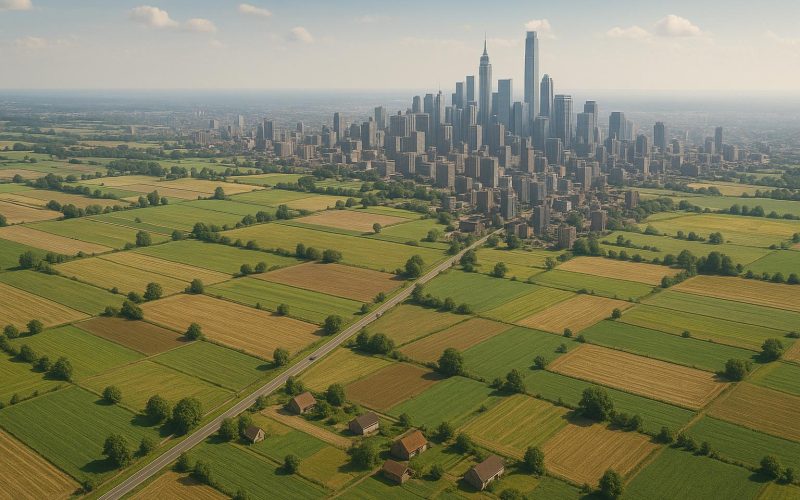
Urbanization refers to the gradual increase in the percentage of people living in urban areas, primarily driven by migration from rural areas. This transition involves not just a change in the physical location of populations but also an evolution in societal structures, economic dynamics, and infrastructural setups. It represents a critical facet of global development, playing a key role in fostering economic growth and modernity. This article explores the complexities of urbanization, the factors driving it, the challenges it presents, and strategies to ensure its sustainability.
Factors Driving Urbanization
A myriad of factors propel urbanization, influencing people to settle in urban areas. These factors include economic, infrastructural, and social drivers that offer a nuanced understanding of this phenomenon.
Economic Opportunities are a significant pull factor for urban migration. Cities often serve as economic engines, providing various employment opportunities within industries, businesses, and services. This economic draw acts as a magnet for individuals seeking to improve their living standards and career trajectories through better job prospects. As cities grow, they often create a cycle of economic activity and innovation by attracting talent and investment, further enhancing their role as economic hubs.
Improved Infrastructure in urban areas, compared to rural regions, is another strong incentive for migration. Urban centers tend to offer superior healthcare, education, and transportation facilities. These elements do not just improve the quality of life but also can significantly impact an individual’s lifestyle and potential. The availability of such amenities plays a crucial role in attracting people from less-developed areas to cities, as they seek better and more efficient access to essential services.
Social Factors embedded in urban settings also contribute to the urbanization process. Cities often provide a more inclusive, diverse environment—places where cultural, educational, and recreational activities are readily available. This vibrant urban life offers individuals a chance to participate in and experience a multifaceted community life, which acts as a substantial lure for those seeking social interactions beyond the limitations of rural setups.
Challenges of Urbanization
Urbanization doesn’t only come with benefits; it also presents a suite of challenges that need to be addressed by policy makers, urban planners, and communities.
Overpopulation
One significant challenge is overpopulation. In many urban areas, particularly those in developing countries, the rapid increase in population often results in overcrowded living conditions. Cities may struggle to provide sufficient infrastructure and housing to meet the demands of their growing populations. This can lead to the development of slums and informal settlements, as seen in many parts of the world. For insights into challenges associated with urban housing, you can refer to resources like slums and urban housing.
Infrastructure Strain
The increasing density of urban populations can severely stress existing infrastructure, such as transportation networks, water systems, and sanitation facilities. In many cases, cities find it challenging to maintain, let alone expand these services to accommodate their burgeoning populations. This infrastructural strain can substantially impact living conditions, leading to problems such as traffic congestion, water shortages, and inadequate sanitation, which in turn can affect public health.
Environmental Impact
The environmental impact of urbanization is profound, encompassing increased pollution levels, reduction in green spaces, and heightened energy consumption. The concentration of industries and people in urban centers can intensify environmental degradation. Without the implementation of sustainable practices, this could lead to significant ecological challenges, such as urban heat islands, air and water pollution, and loss of biodiversity.
Socioeconomic Inequality
Urbanization, despite its economic potential, often leads to increased socioeconomic disparities. An identifiable gap can develop between affluent and impoverished urban residents. Addressing this inequality is crucial, as the benefits of urban economic activities do not always trickle down to all residents equally. This emphasizes the need for development policies that address these inequities to ensure a fair distribution of urban benefits. Further readings on this issue are available through resources such as urban equality challenges.
Strategies for Sustainable Urbanization
To mitigate the challenges of urbanization, adopting sustainable development strategies is essential. Here are several critical approaches:
Smart Urban Planning holds the potential to significantly enhance urban living. With thoughtful and efficient city planning, authorities can optimize land use, alleviate congestion, and improve infrastructure. This might involve the creation of compact neighborhoods that encourage cycling and walking, and promoting the use of public transportation systems to reduce reliance on personal vehicles.
Green Initiatives play a pivotal role in minimizing the environmental repercussions of urbanization. By integrating ample green spaces in city planning and fostering environmentally-friendly policies, cities can significantly mitigate ecological impacts. Initiatives such as urban greening, implementation of renewable energy sources, and sustainable waste management practices are vital strategies for developing eco-friendly urban centers.
Inclusive Policies are needed to ensure that urbanization benefits are equitably distributed among all residents. Access to essential services such as affordable housing, healthcare, and education should be prioritised to reduce the inequalities often exacerbated by rapid urban growth. By focusing on inclusivity, policies can facilitate a more balanced and harmonious urban society where no group is left behind.
Conclusion
Urbanization represents both a potential boon and a challenge for global societies. Leveraging the opportunities it presents while overcoming the difficulties involves concerted efforts from governments, communities, and private sectors to promote sustainable and inclusive urban development. As cities continue to grow, innovative approaches and collaborative efforts are required to harness the full potential of urbanization without compromising the welfare of the environment and the equitable development of all urban residents. For more insights on fostering sustainable urban growth, you might consider exploring additional resources such as urban sustainability solutions.