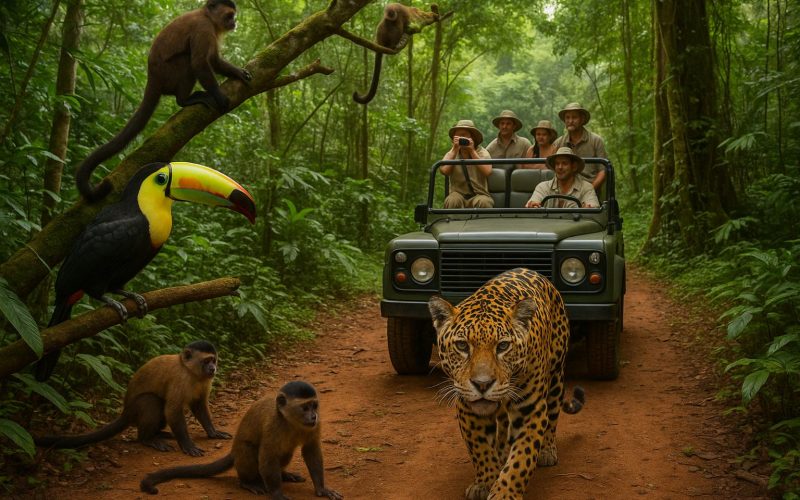
Introduction to Wildlife Safaris
Wildlife safaris offer a unique experience to observe and appreciate animals in their natural habitats. These excursions, often conducted in expansive settings of national parks, play an instrumental role in conservation and education efforts. By choosing a safari, individuals encounter diverse fauna and support ecological preservation. These journeys provide immersive experiences, allowing visitors to connect with nature while gaining insights into the challenges of wildlife protection.
National Parks as Premiere Wildlife Destinations
National parks serve as crucial bastions for wildlife, providing well-managed regions that prioritize wildlife protection. Acting as safe havens, they are sanctuary spaces away from urban encroachment and habitat destruction, offering vital refuge to many endangered species. The strategic establishment of these parks is essential for safeguarding biodiversity, while simultaneously providing a sustainable avenue for tourism, ensuring both ecological and economic benefits.
Popular National Parks for Safaris
National parks across the globe are prime locations for wildlife safaris, each offering unique landscapes and biodiversity.
Serengeti National Park, Tanzania: Known globally for the Great Migration, this park witnesses over a million wildebeests and zebras traversing its plains in an awe-inspiring natural spectacle. The Serengeti’s vast expanse teems with life, where you can also spot predators like lions, elephants, and cheetahs roaming freely.
Kruger National Park, South Africa: As one of Africa’s largest game reserves, Kruger National Park is renowned for hosting the ‘Big Five’—elephants, lions, leopards, rhinoceroses, and buffalos. The diversity and density of wildlife not only fascinate but also create significant opportunities for education and research. More details can be found on the official Kruger National Park website.
Yellowstone National Park, USA: Celebrated as America’s first national park, Yellowstone is famous for its breathtaking geothermal features. Visitors find themselves amidst diverse wildlife, including bison, grizzly bears, and wolves, reinforcing the park’s reputation for natural wonder and wildlife diversity. Additional information is available on the Yellowstone National Park Service page.
Contributions of Safaris to Conservation Efforts
Wildlife safaris make substantial contributions to conservation efforts around the world. Primarily, they generate essential funding which aids in habitat protection, supports anti-poaching initiatives, and advances ecological research. Moreover, safaris play a pivotal role in educating visitors about the significance of wildlife conservation, encouraging a globally invested community dedicated to protecting these ecosystems.
The tangible benefits of safari-driven funds extend to various conservation initiatives, including habitat restoration, enhanced ranger patrolling, and sophisticated monitoring systems. These efforts help mitigate the threats posed by poaching and other illegal activities that jeopardize wildlife. Additionally, educational programs fostered by safari tourism enlighten tourists about environmental challenges, ensuring awareness and action transcend the immediate safari experience.
Responsible Safari Practices
Engaging in a wildlife safari involves adhering to principles that ensure the sustainability of these experiences. Key practices include respecting animal spaces and adhering to park regulations. This can mean keeping a safe distance from wildlife, not feeding animals, and minimizing noise to avoid disturbing natural behavior.
Supporting eco-friendly tour operators is another critical aspect of responsible safari behavior. These operators often employ sustainable practices such as using eco-friendly vehicles, ensuring waste is managed responsibly, and leading programs that give back to local communities. By prioritizing such operators, tourists directly support ethical practices and conservation efforts.
Visitors are also encouraged to participate in programs that offer back to the community, enhancing local socio-economic conditions and fostering an environment where both humans and wildlife thrive. These measures not only protect the environments visited but also enhance the value and integrity of the safari experience itself.
In summary, wildlife safaris are more than a thrilling adventure; they are integral to conservation and education efforts in national parks. By participating in these experiences, individuals contribute significantly to the preservation of Earth’s rich biodiversity, ensuring that future generations inherit a planet teeming with diverse life forms. Safaris inspire global commitment towards wildlife protection, bridging the gap between enjoyment and ecological responsibility.