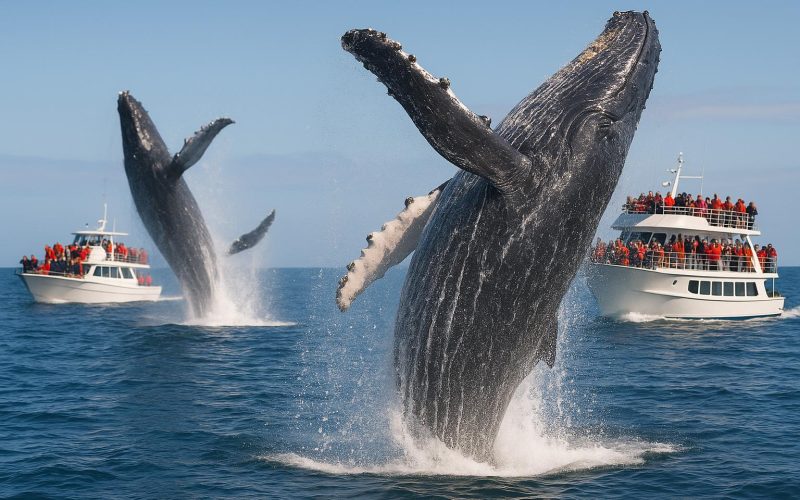
Introduction to Whale Watching in Central America
Whale watching offers a captivating glimpse into the world of these majestic sea dwellers, and the coasts of Central America are a haven for this incredible activity. The region’s diverse marine life and inviting climate create an ideal setting for observing various species of whales throughout the year. The unique combination of warm waters and plentiful food sources makes this stretch of ocean a prime habitat for numerous whale species such as humpback whales, blue whales, and orcas.
Key Whale Species Observed
Among the rich tapestry of marine life, the humpback whale is one of the most frequently observed species in Central American waters. Renowned for their soaring acrobatic breaches and complex, melodic songs, humpbacks captivate the imagination of all who see them. These maritime giants navigate between breeding and feeding grounds each year, with distinct groups migrating. The northern group travels from the North Pacific to the Pacific shores of Costa Rica and Panama, while a southern contingent migrates from the Southern Hemisphere.
Equally impressive, though less frequently observed, is the blue whale, the largest known animal to have ever existed on earth. Occasionally, fortunate onlookers may spot these colossal cetaceans gliding through the depths off the coasts of both Costa Rica and Nicaragua. Despite their staggeringly large size, blue whales are elusive and graceful creatures, making sightings all the more special.
While the orca, or killer whale, is sighted less often than other species, these apex predators do inhabit Central American waters. Their presence is particularly noticeable in regions with abundant prey, offering another exciting spectacle for whale watchers.
Best Time for Whale Watching
Timing is crucial when planning a whale watching expedition in Central America, as the optimal periods vary depending on the species you hope to encounter. For those eager to witness the grandiosity of humpback whales, the most favorable periods span from July to November and January to March. These months encompass the dual migratory paths of Northern and Southern Hemisphere humpbacks, providing ample opportunities to observe their journey.
Optimal Locations for Whale Watching
Central America boasts numerous prime locations for whale watching. In Costa Rica, one standout destination is the Marino Ballena National Park. Aptly named “Whale Marine National Park,” this area underscores its significance as a sanctuary for marine life, with plentiful humpback sightings contributing to its allure as a premier destination for nature enthusiasts.
Elsewhere, Panama’s Gulf of Chiriquí presents another excellent venue. Known for its lush marine biodiversity, this region teems with life, setting the stage for unforgettable whale watching adventures. The Gulf’s vibrant ecosystem supports a diverse cast of sea creatures, offering a feast for the eyes.
Like its neighbors, the waters surrounding Nicaragua hold nascent opportunities for whale watching. Especially along the Pacific coast, adventurers may encounter not only humpbacks but also the occasional blue whale, enhancing the thrill of exploration along these wild and wondrous shores.
Conservation and Responsible Tourism
Conservation and responsible tourism form the bedrock of the whale watching experience in Central America. Tour operators are keenly aware of the ecological importance of these giant mammals and strive to engage visitors in thoughtful practices. Regulatory frameworks are in place to control how closely boats can approach whales, reinforcing respectful distances that minimize disruption to these serene animals. Such measures allow whales to thrive while ensuring that visitors can observe them in their pristine, natural environments.
Visitors are likewise encouraged to support organizations that prioritize sustainable and eco-friendly practices. By choosing tours that advocate for responsible engagements with marine ecosystems, tourists can contribute to both the preservation of local marine habitats and the welfare of the communities that depend on them. This conscientious approach ensures that whale watching remains a sustainable venture, promoting environmental stewardship alongside unforgettable encounters with these magnificent marine giants.