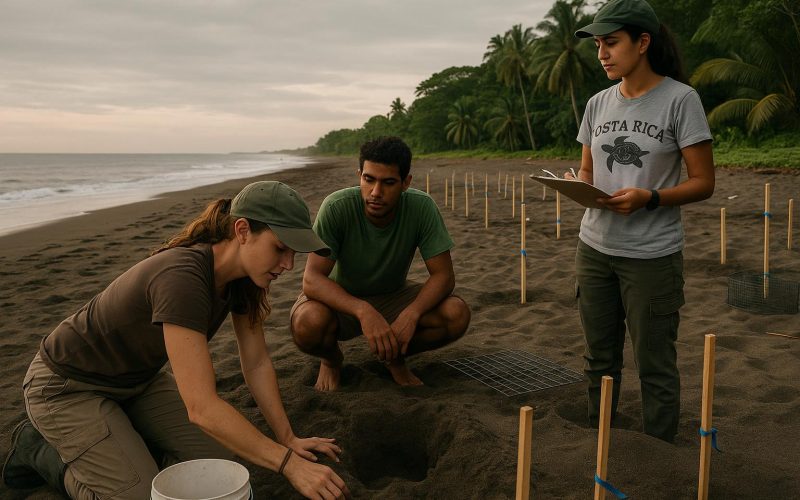
Turtle Conservation Efforts in Costa Rica
Costa Rica, known for its rich biodiversity and unwavering commitment to environmental conservation, serves as a pivotal location for the protection of various marine turtle species. The country’s extensive coastline, which borders both the Pacific Ocean and the Caribbean Sea, provides essential habitats for an array of turtle species, including the leatherback, green, hawksbill, and olive ridley turtles.
Key Conservation Projects
Costa Rica, over the years, has witnessed the initiation of numerous conservation projects spearheaded by various organizations. These efforts play a crucial role in safeguarding these endangered creatures, maintaining ecological balance, and promoting sustainable tourism—a key aspect of the country’s economic framework.
Leatherback Turtle Conservation Program
The Leatherback Turtle Conservation Program is a vital initiative focused on the study and preservation of critically endangered leatherback turtle populations. This program entails several facets, including rigorous research, protection of nesting sites, and engagement with local communities. Researchers strive to gather comprehensive data on the turtle’s behaviors and patterns, helping in the formulation of effective conservation strategies. The protection of nesting sites is paramount as it prevents the disturbance and potential poaching of eggs—a significant threat faced by these marine creatures. Furthermore, community engagement plays a critical role in fostering a sense of responsibility and stewardship among locals. More information about the program’s extensive work can be accessed through the Leatherback Turtle Conservation Program website.
Osa Conservation
Located in the renowned Osa Peninsula, the Osa Conservation project adopts an integrative approach to turtle conservation, which includes the preservation of both terrestrial and marine ecosystems. The project’s approach is comprehensive, encompassing vital research initiatives, community involvement, and ample volunteer opportunities. Osa Conservation emphasizes understanding the intricate connections between the various ecosystems and how such interactions influence the turtles’ survival. For individuals interested in engaging with hands-on conservation work, volunteering with Osa Conservation provides a unique opportunity to contribute. Detailed information about their initiatives and opportunities can be found on the Osa Conservation site.
Sea Turtle Conservancy at Tortuguero
The Sea Turtle Conservancy located at Tortuguero National Park is one of the oldest and most distinguished turtle conservation projects. This initiative places a strong emphasis on the protection of critical nesting beaches in the Tortuguero area. The region is particularly renowned for hosting large numbers of green turtles. The project’s efforts extend beyond physical protection, with a comprehensive approach that includes educational programs aimed at local communities. These programs help raise awareness about the importance of turtle conservation and the ecological roles these creatures play. More information about this commendable effort is available on the Sea Turtle Conservancy website.
Community Involvement and Education
Community involvement is deeply ingrained in the ethos of Costa Rican turtle conservation efforts. The active participation of local communities is not only encouraged but considered essential in protecting marine turtle populations. Through educational workshops and thoughtfully structured volunteer programs, local residents gain valuable awareness and knowledge about the crucial nature of preserving marine turtle species. These initiatives empower communities, fostering greater conservation engagement and cultivating an environment where sustainable practices thrive.
Challenges and Future Goals
Despite these concerted efforts, conservation projects are beset by a myriad of challenges that require immediate attention. Key challenges include illegal poaching, climate change, and habitat destruction—each posing a significant threat to turtle populations. Poaching, though illegal, continues to be a problem, driven by illicit demand for turtle eggs and meat. Climate change exacerbates environmental conditions, affecting nesting sites’ suitability and turtle hatchlings’ survival. Furthermore, habitat destruction, whether due to infrastructural development or other anthropogenic activities, threatens to reduce the availability of conducive environments for turtles.
Strategizing future goals is crucial for the advancement of turtle conservation in Costa Rica. A primary objective includes increasing the number of protected nesting areas, ensuring these turtles have safe havens for reproduction. Enhancing international cooperation is also identified as vital, encouraging the sharing of research, resources, and strategic plans. Another significant goal is aligning sustainable tourism with conservation objectives. Given Costa Rica’s reliance on ecotourism, adopting practices that allow tourists to enjoy and appreciate natural habitats without disturbing the ecosystems is essential.
The future holds potential for positive outcomes driven by collaborative efforts. The collective commitment of local communities, governmental bodies, and international organizations instills hope for a resilient and thriving turtle population in Costa Rica. Through rigorous research, community education, and proactive adaptation to challenges, these efforts aim to create a sustainable environment where marine turtles can flourish, contributing to the larger goal of biodiversity conservation.