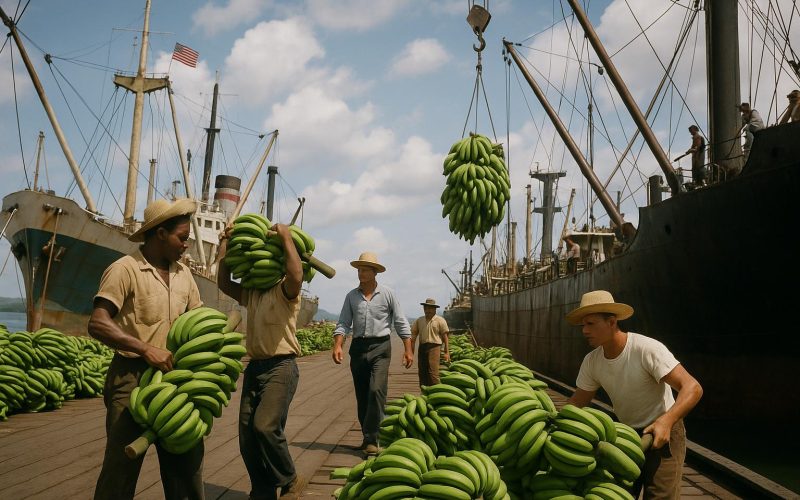
The Economic Significance of Bananas in Central America
The banana industry is an integral component of Central America’s economy. The region’s favorable climate and fertile land are conducive to large-scale banana production, significantly contributing to the global supply. This agricultural sector, particularly banana production, plays a pivotal role in shaping the economies of countries such as Costa Rica, Guatemala, Honduras, and Panama.
Historical Context
Bananas have served as a cornerstone crop in Central America since the late 19th century. It was during this period that multinational corporations, notably the United Fruit Company, made substantial investments in establishing banana plantations. This influx of foreign capital not only accelerated the development of the banana industry but also connected the regional economies to the broader global markets. Over the years, bananas have evolved into a crucial export commodity, making a significant contribution to the region’s GDP and trade balance.
Early Developments
In the early stages of the banana industry, foreign companies were instrumental in shaping its trajectory. Their investments were primarily aimed at creating extensive plantation networks, which required significant infrastructure developments such as railways and ports. This infrastructure not only facilitated the transport of bananas for export but also promoted general economic development in the region.
Export Growth
As the banana industry expanded, it increasingly became a prominent feature of Central America’s export profile. The income generated from banana exports provided the necessary resources for countries to invest in other areas of economic growth. Furthermore, the export-oriented nature of the industry helped integrate Central American economies with those of their trading partners, establishing vital trade relationships and opening up new markets.
Employment and Economic Impact
In Central America, the banana industry is a vital source of employment. It directly provides thousands of jobs across activities such as cultivation, harvesting, and processing. Beyond these direct employment opportunities, the industry also supports numerous indirect jobs in related sectors like transportation and logistics. This widespread employment not only contributes to reducing unemployment rates but also boosts local economies by improving household incomes.
For detailed insights into labor statistics within the agricultural sector, you can refer to resources such as the International Labor Organization.
Local Economic Contributions
Revenues from banana exports are essential in supporting local public services and infrastructure development. In several Central American nations, bananas stand as one of the major export commodities, strengthening national economies and enhancing the standard of living. The economic ripple effect of the banana industry ensures that its impact is felt across various layers of society.
Infrastructure and Services
The growth and export potential of the banana industry have necessitated developments in critical infrastructure. Investments have been channeled into transportation networks, energy supplies, and communication systems, all of which are vital to supporting efficient banana production and export processes. Additionally, tax revenues from the banana industry contribute to funding public services, thereby improving the quality of life for many citizens.
Challenges
Despite its significant benefits, the banana industry in Central America encounters numerous challenges that threaten its sustainability:
- Environmental Concerns: The banana industry, with its extensive use of pesticides and ongoing deforestation for plantation expansion, has raised significant ecological concerns. These practices have adverse effects on biodiversity and the health of local communities.
- Market Volatility: Given its dependency on the global market, the banana industry is particularly susceptible to price fluctuations. Such volatility can negatively affect income stability for producers and workers alike.
- Disease and Pests: The threat of diseases such as Panama disease remains a constant concern for banana producers. These diseases can severely disrupt production and affect long-term sustainability.
Addressing Environmental Impact
Efforts to mitigate the environmental impact of banana production are gaining momentum. Initiatives include promoting organic farming practices, reducing pesticide usage, and implementing sustainable land management strategies. These practices aim to balance economic growth with environmental preservation, ensuring that Central America’s natural resources remain viable for future generations.
Future Prospects
Efforts are underway to boost the sustainability and resilience of the banana industry. Key initiatives include adopting organic farming methods, enhancing crop resistance through scientific research, and exploring new export markets. These strategies focus on minimizing environmental impacts and reducing economic risks, ensuring that the banana industry continues to be an economic pillar in Central America.
For further exploration of sustainable agricultural practices in Central America, consider visiting resources like CGIAR.
Innovation and Technology
Technological advancements hold the potential to revolutionize the banana industry. From improved pest and disease management to precision farming techniques, innovation can address many of the challenges faced by producers. Enhanced research and development can lead to the creation of more resilient banana varieties, better equipped to handle climate change and disease threats.
Diversification Strategies
Exploring diverse export markets is another critical strategy for the banana industry. By expanding its reach beyond traditional markets, Central America can enhance its economic resilience, protecting itself against international market fluctuations. Diversification also opens up opportunities to introduce banana-derived products, adding value to the traditional supply chain and boosting economic returns.
Conclusion
Bananas are deeply embedded in the economic fabric of Central America. While the industry offers significant economic benefits, addressing the challenges it faces is crucial for future growth and sustainability. Through balanced strategies, the region can continue to thrive in the global agricultural market while supporting its local economies. The future success of the banana industry will depend on continued innovation, sustainable practices, and the ability to adapt to the evolving demands of the global marketplace.