The Importance of Remittances in Central America
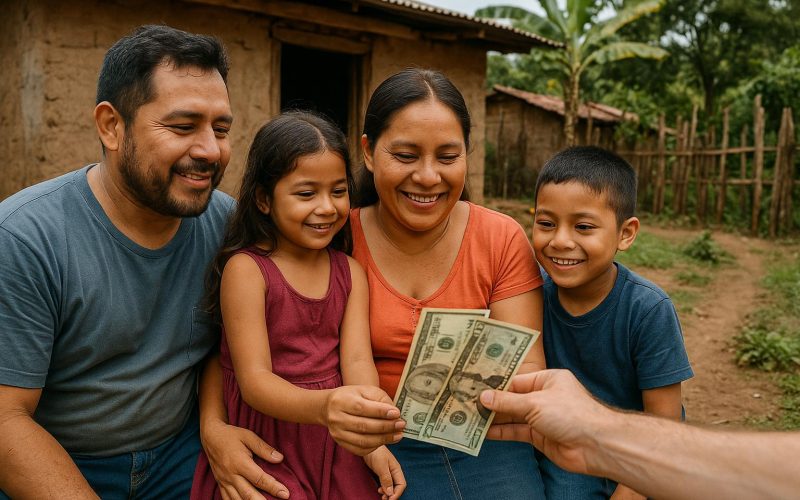
Remittances are a key element in the economic landscape of Central America. These monetary transfers sent by migrants to their families back home play a pivotal role by infusing much-needed capital into household and national economies. Their significance extends beyond financial aspects, influencing social dynamics and long-term economic stability in the region.
Economic Impact
The infusion of remittances into Central American economies highlights their indispensability. These funds often become the lifeline for families, bridging financial gaps and propelling economic activities. Their impact is felt across various sectors, from individual households to overarching national policies.
GDP Contribution
In several Central American countries like El Salvador, Honduras, and Guatemala, remittances account for a significant portion of the Gross Domestic Product (GDP), often exceeding 10%. This considerable contribution underscores the dependency these economies have on external financial flows. Remittances act as a stabilizing force and are instrumental in reinforcing social and economic structures in these regions. For comprehensive details on GDP contributions and related statistics, you can refer to data available at the World Bank.
Remittances and Consumption
Remittances are often immediately channeled into the local economy through consumer spending. Recipient families typically allocate these funds towards essential goods and services. This influx of capital boosts the demand in local markets, thereby stimulating growth in industries such as retail and services. This cycle of spending and demand creation plays a crucial role in invigorating the economic environment of Central American countries.
Social Implications
Apart from their economic relevance, remittances have pronounced social implications. They serve as a tool for reducing socio-economic disparities and facilitating social mobility. By providing the means for better education and skill acquisition, remittances help recipient families break the cycle of poverty and ascend socially and economically.
Education and Health Benefits
The impact of remittances is vividly apparent in the education and health sectors. They enable families to offset the costs of schooling and healthcare, significantly improving access to these vital services. This access is particularly crucial in regions where public service provision is inadequate. By facilitating educational pursuits and healthcare access, remittances deliver far-reaching benefits, laying the groundwork for future development and stability.
Challenges and Concerns
While the benefits of remittances are undeniable, an over-reliance on them introduces specific vulnerabilities. Economies dependent on foreign income face risks, especially when global or local disruptions affect migrants’ ability to send money home. Events like economic downturns, changes in immigration policies, or currency fluctuations can drastically impact these financial flows. Consequently, it becomes imperative for Central American countries to strategize and diversify their economies to mitigate these vulnerabilities.
Future Outlook
To ensure sustainable development and lessen dependency on remittances, Central American nations must prioritize strengthening local economies. Encouraging local business growth and attracting foreign investments are essential strategies in this regard. Implementing policies that promote entrepreneurship and innovation can create economic opportunities and enhance resilience. Furthermore, international collaborations and regional programs could bolster these efforts, paving the way for a stronger economic foundation. For resources and insights into regional economic initiatives, exploring contributions from organizations like the Inter-American Development Bank can be informative.
In summary, remittances are vital for the economic and social fabric of Central America. They offer immediate financial relief and support long-term developmental goals. Yet, balancing reliance on these funds with efforts to fortify local economies remains crucial for achieving sustainable and inclusive growth.