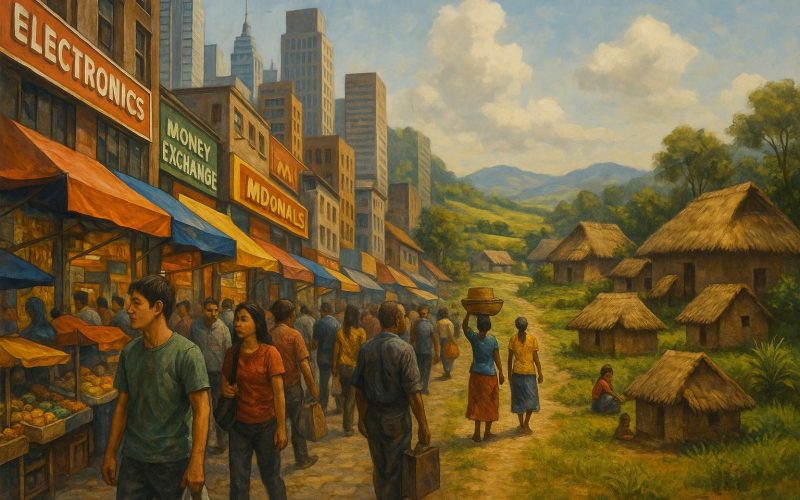
The Economic Impact of Globalization on Central America
Globalization has become a pivotal force in reshaping economies and societies worldwide, and Central America is no exception. This region, nestled between North and South America, has experienced numerous changes due to the increasing interconnection of global markets and cultures. In examining the economic impact of globalization on Central America, we find both positive developments and enduring challenges that shape the region’s future.
Expanding Export Markets
One of the most significant ways globalization has influenced Central America is through the opening of new markets for exports. This has been primarily facilitated by international trade agreements, such as the Central America-Dominican Republic Free Trade Agreement (CAFTA-DR). This agreement remarkably facilitates trade between Central American countries and larger economies like the United States and other member countries. As a result, trade activities in Central America have witnessed substantial growth, particularly in sectors like agriculture and textiles.
Agriculture remains a cornerstone of Central American economies, with countries exporting products such as coffee, bananas, and sugar. Globalization has expanded these markets, allowing local products to reach consumers worldwide. Similarly, the textile industry has gained momentum, with countries leveraging their cost-effective labor to produce goods for international brands.
Growth and Diversification
The increased trade brought about by globalization has led to growth and diversification of the Central American economies. New sectors have emerged, expanding beyond traditional industries. For example, burgeoning service industries and tourism have begun to play a significant role in the region’s economic landscape, driven by international demand and changing consumer preferences. This diversification provides these economies with resilience against global market fluctuations, mitigating the impacts of falling commodity prices or economic downturns in key markets.
Foreign Direct Investment (FDI) in Central America
Another critical element of globalization’s economic impact is the rise in foreign direct investment (FDI) from multinational corporations. These entities are keen to capitalize on Central America’s strategic geographic position and competitive labor costs. According to data from The World Bank, inflows of FDI have contributed significantly to infrastructure development and job creation. However, it is important to note that the distribution of these benefits is uneven, with some countries and communities reaping more rewards than others.
FDI has played a role in developing infrastructure, such as roads, bridges, and ports, facilitating smoother trade and movement within the region. This development enhances the region’s attractiveness to additional foreign investors, creating a positive cycle of economic growth.
The Social Dimension of Globalization
Beyond economics, globalization has profound social implications for Central America. There has been a considerable cultural exchange, resulting from increased travel and digital communication. Central Americans now interact with a wider array of cultures, leading to changes in societal norms and values. As people consume international media and travel more frequently, traditional cultural identities face potential dilution, sparking debates about preserving cultural heritage in an increasingly interconnected world.
Migratory Patterns and Remittances
Globalization has also significantly affected migration patterns. Economic opportunities abroad, coupled with regional instability, have led to substantial migration flows, influencing family structures and community dynamics. Many Central Americans, motivated by the prospect of better living standards, have chosen to migrate temporarily or permanently to other countries. This has economic implications as well, with remittances sent from abroad becoming a crucial source of income for many households, contributing positively to local economies.
Environmental Considerations
The environmental impact of globalization cannot be overlooked when discussing Central America’s experiences. The region’s rich biodiversity and natural resources have gained international interest, prompting increased extraction activities to supply global markets. While these activities can stimulate economic growth, they often result in environmental degradation. Problems such as deforestation and water contamination have become increasingly prevalent, driven by agricultural expansion and industrial processes designed to meet global demand.
Efforts in Sustainable Development
To address these environmental concerns, Central American governments are actively working on balancing economic growth with environmental sustainability. Several initiatives promote sustainable practices, aiming to minimize detrimental impacts while fostering development. Organizations such as the World Wildlife Fund collaborate with local authorities to protect the environment without jeopardizing economic progression.
Challenges and Opportunities of Globalization
While globalization presents significant opportunities, such as technology transfer and access to new markets, it also brings challenges to Central America. Increased competition from industries across the globe can place substantial strain on local businesses, requiring them to innovate and adapt swiftly. These global pressures necessitate a focus on educational initiatives and skills development programs to ensure the region’s workforce is equipped to meet new demands.
Innovations and technological progress offer local industries the chance to boost productivity and expand their reach. However, this requires strategic investments in education, infrastructure, and technology to enable a smooth transition into an increasingly globalized economy.
Conclusion and Strategic Approaches
In summary, globalization has had a profound and multifaceted impact on Central America, affecting the economy, society, and environment. While the challenges are undeniable, the region also stands to gain considerably if globalization is appropriated effectively. As Central America navigates this complex landscape, implementing strategic policies that safeguard both the people and the natural environment becomes imperative. By harnessing globalization’s potential while mitigating its negative impacts, Central America could chart a course toward sustainable and inclusive growth, ensuring a better future for its inhabitants.