Understanding Deforestation
Deforestation refers to the large-scale removal of forests, where the land is subsequently converted to a non-forest use. This process often results in the degradation of essential habitats, a decrease in biodiversity, and impacts on climate regulation.
Causes of Deforestation
Deforestation occurs due to a variety of human activities and economic motivations. Understanding these causes is crucial in addressing the underlying factors that drive forest loss globally.
Agricultural Expansion: One of the most significant causes of deforestation is the expansion of agricultural activities. As the global population continues to grow, so does the demand for food. To meet this increasing demand, vast tracts of forest land are cleared for both subsistence farming and large-scale agriculture. This includes plantations for cash crops such as palm oil, soy, and others. The pressure to produce more food often comes at the expense of forested areas, leading to their clearance and subsequent conversion into agricultural fields.
Logging: Logging, both legal and illegal, significantly contributes to forest loss. Timber is a valuable economic resource, and the demand for wood for construction, furniture, and paper products is substantial. While logging can be conducted sustainably, unsustainable practices often prevail, resulting in the destruction of habitats. Illegal logging, in particular, is a rampant issue in many parts of the world, escalating deforestation rates and threatening forest ecosystems.
Infrastructure Development: As countries develop, there is a need for infrastructure such as roads, dams, and urban areas. These constructions often lead to the fragmentation and destruction of forest ecosystems. While infrastructure development supports economic growth, it frequently comes at the expense of ecological stability. The creation of new roads can also lead to increased human activity in previously inaccessible forest areas, further accelerating deforestation.
Mining: The extraction of minerals and fossil fuels requires the clearing of large areas of forest. This extraction process often results in significant damage to fragile environmental systems. Mining operations not only remove trees and vegetation but also lead to soil degradation and pollution of water sources due to the chemicals used in the process. The demand for minerals and fossil fuels is global, highlighting the international dimensions of the deforestation challenge.
Effects of Deforestation
The effects of deforestation are profound, impacting the environment, climate, and human societies:
Biodiversity Loss: Forests are home to an immense diversity of species. When forests are destroyed, the habitats of countless organisms are lost, threatening their survival and leading to reduced biodiversity. Many species depend on specific forest environments for food, shelter, and breeding grounds. As these habitats diminish, so do the populations of these species, some of which may face extinction.
Climate Change: Forests play a crucial role in climate regulation as they act as carbon sinks, absorbing carbon dioxide (CO2) from the atmosphere. When deforestation occurs, not only is this carbon storage capability reduced, but the carbon stored in trees is also released back into the atmosphere, contributing to increased greenhouse gas concentrations and exacerbating climate change. This shift in carbon balance affects global climate patterns and contributes to warming temperatures.
Soil Degradation and Erosion: Trees and vegetation are vital for maintaining soil integrity. Tree roots hold the soil together, preventing it from being washed away by rainwater. Without the protective cover of trees, soils become prone to erosion, leading to reduced land fertility and increased sedimentation in rivers and water reservoirs. This erosion affects agriculture, water quality, and the overall health of ecosystems.
Conservation Efforts
To address the challenges posed by deforestation, several conservation efforts have been put into place. These strategies aim to protect existing forests, sustainably manage forest resources, and restore lost forest areas:
Protected Areas: The establishment of national parks and nature reserves provides secure environments for ecosystems. Such designated areas help prevent illegal logging and land conversion, preserving critical habitats for wildlife. Over time, protected areas can also promote biodiversity by offering refuge and allowing species populations to recover.
Sustainable Forestry: Sustainable forest management involves the responsible harvesting of timber and other forest resources. By implementing practices that limit environmental impact, sustainable forestry ensures that forests continue to thrive and provide economic benefits over the long term. This practice includes selective logging, promoting natural regeneration, and reducing waste.
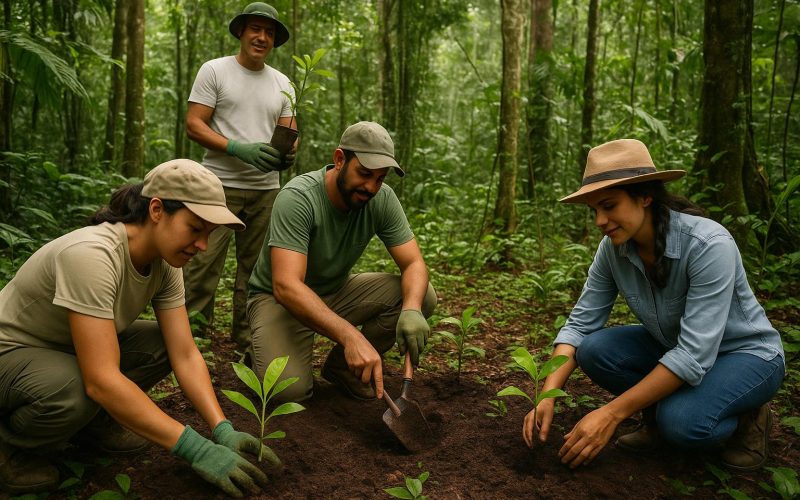
Reforestation and Afforestation: Reforestation and afforestation initiatives involve planting trees in areas where forests have been previously felled (reforestation) or creating new forests on lands that did not previously have them (afforestation). These initiatives contribute to increasing forest cover, restoring habitats, and enhancing carbon sequestration.
International Collaboration
Efforts to combat deforestation often require international cooperation. Since deforestation and its consequences have global implications, addressing them effectively requires collaboration across borders. International agreements and programs aim to create a framework for reducing forest loss and promoting sustainable use of forest resources:
Agreements like the Paris Agreement have set targets for countries to reduce carbon emissions, which indirectly aids in forest preservation. As forests serve as carbon sinks, their protection and restoration are crucial components in achieving emission reduction targets. The agreement emphasizes the role of forests in enhancing the resilience of ecosystems and communities.
Programs such as Reducing Emissions from Deforestation and Forest Degradation (REDD+) focus on providing financial incentives for developing countries to limit emissions from deforestation and improve sustainable forest management practices. REDD+ encourages the conservation and sustainable use of forests by aligning economic incentives with conservation goals.
For additional insights on conservation strategies, initiatives can be explored through organizations like the World Wildlife Fund or the United Nations Environment Programme.
These global efforts underline the importance of balancing economic development with ecological preservation, ensuring the sustainability of the planet’s vital forest resources. By cooperating on an international scale, countries can share resources, expertise, and technologies to address deforestation comprehensively and sustainably.