Introduction
Central America forms a crucial land bridge between the vast continents of North and South America. It is a region known for its diverse ecosystems and rich biodiversity, yet it faces growing challenges due to climate change. The impacts of global warming are particularly pronounced in this region, making it essential to understand and address these changes. Such understanding is vital not only for the people living there but also for global efforts to adapt to and mitigate the consequences of climate change.
Changing Weather Patterns
The alteration of weather patterns is one of the most apparent impacts of climate change in Central America. This has resulted in increased temperature variations and a rise in the occurrence of extreme weather events. The frequency and intensity of hurricanes and tropical storms have escalated, leading to severe damage to infrastructure and often resulting in loss of life. Such extreme weather events pose significant challenges to both urban and rural communities in the region. Interested readers can explore more about the historical patterns of such events at the National Hurricane Center resource.
Alongside storms and hurricanes, shifts in rainfall have brought about extended dry spells known as droughts. These droughts have dire implications for water supply and agricultural productivity, both of which are vital for local economies and ensuring food security.
Impact on Agriculture
Agriculture is a cornerstone of Central America’s economy and bears the brunt of changing climate conditions. Farmers in the region face numerous dilemmas, including unpredictable rainfall and increasing pest infestations, which have a direct impact on crop yields. These adversities have grave consequences for food security and the livelihoods of rural communities reliant on agriculture. In light of these challenges, there is a growing emphasis on promoting resilient agricultural practices. These initiatives focus on incorporating sustainable farming techniques and cultivating drought-resistant crops to enhance agricultural productivity and stability.
Biodiversity Threats
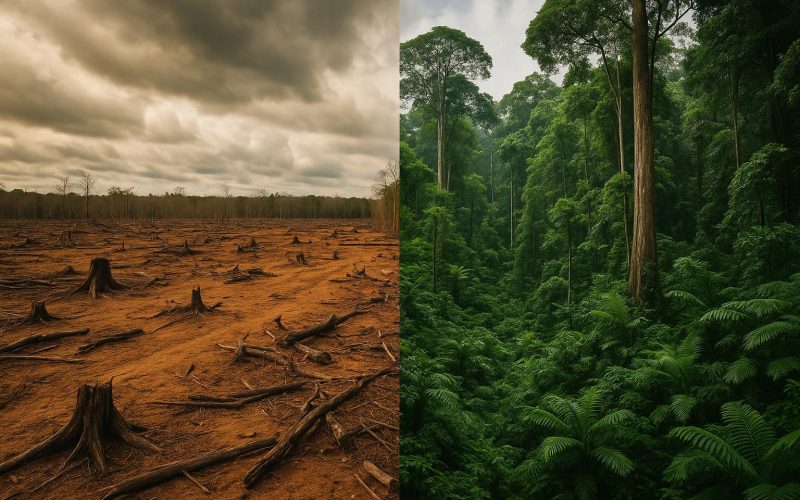
Central America is a biodiversity hotspot teeming with a multitude of endemic species. Unfortunately, climate change poses a significant threat to these natural habitats. With rising temperatures and changing precipitation patterns, habitats face degradation and ecosystems endure increased stress. This shift can lead to loss of biodiversity, which has cascading effects on ecological balance and the survival of many species. Preserving these environments is not merely an ecological priority, but it is also fundamental for sustaining the livelihoods that depend on these biodiverse systems.
Socioeconomic Impacts
The effects of climate change extend deeply into the socioeconomic fabrics of Central American societies. Beyond affecting agriculture and biodiversity, climate change exacerbates existing issues such as poverty and inequality. Many communities, particularly those whose livelihoods are closely connected with natural resources, face heightened risks and vulnerabilities. National governments and international organizations across the region are thus tasked with devising and implementing adaptation strategies. These strategies aim to mitigate the socioeconomic impacts and bolster community resilience through various programs and policy measures.
In conclusion, the intersection of climate change impacts across various sectors in Central America underscores a pressing challenge. From agriculture and biodiversity to social and economic frameworks, no aspect of life remains untouched. As the region confronts these challenges, continued research and significant investment in sustainable practices are paramount. These measures are crucial to adapt to the current realities and mitigate the impacts of climate change effectively, thus securing a more resilient and sustainable future for Central America.