Understanding Economic Development
Economic development refers to the process through which a nation improves the economic, political, and social well-being of its people. It encompasses a range of factors, including GDP growth, infrastructure development, healthcare, education, and employment opportunities. This multifaceted process involves both challenges and opportunities that vary across different regions and economic contexts.
Challenges in Economic Development
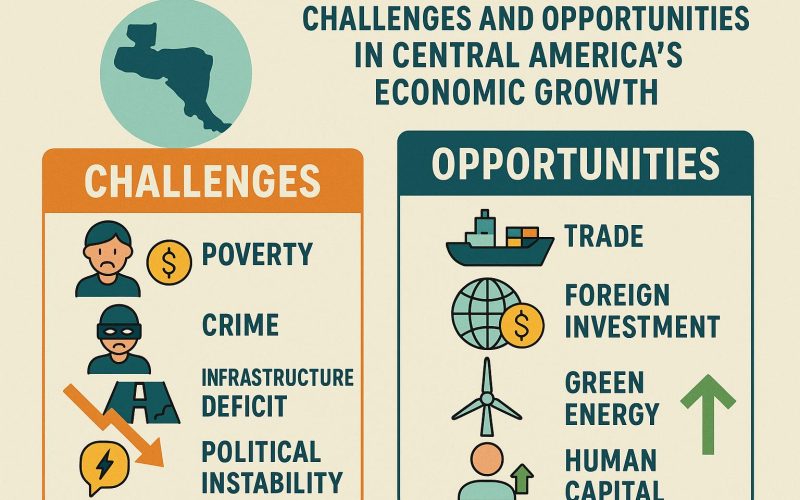
Poverty and Inequality: One of the most persistent challenges in economic development is addressing poverty and inequality. Despite global advancements, many regions continue to experience high levels of income disparity and poverty rates. Ensuring equitable distribution of resources and opportunities remains a pressing issue. Addressing poverty not only requires immediate financial solutions but also systemic changes in education, healthcare, and access to basic amenities. Poverty reduction strategies should focus on inclusive policies that allow marginalized communities to participate in economic activities, thereby improving their standard of living.
Infrastructure Deficiencies: In many developing countries, inadequate infrastructure limits economic growth. Challenges such as unreliable transportation networks, insufficient energy supply, and poor communication systems can hinder productivity and the ability to attract investment. Infrastructure development is crucial for facilitating trade, improving quality of life, and enhancing connectivity between urban and rural areas. Investments in infrastructure can lead to job creation, spur private sector growth, and improve competitiveness on an international scale.
Political Instability: Political instability can severely impact economic development. Countries that experience frequent changes in government, corruption, and lack of rule of law often find it difficult to implement long-term economic strategies and attract foreign direct investment. Stable governance is fundamental to delivering consistent economic policies and creating an environment conducive to investment. Political stability fosters confidence among investors and aids in building a transparent regulatory framework that is necessary for economic growth.
Environmental Concerns: Economic development often comes at the cost of environmental degradation. Balancing growth with environmental sustainability poses a significant challenge, necessitating initiatives aimed at reducing the carbon footprint and conserving natural resources. The urgency to address climate change has led many economies to integrate sustainable practices into their development agenda. Synergy between economic policies and environmental regulations can help mitigate the negative effects on ecosystems and foster resilient growth patterns.
Opportunities for Economic Development
Technological Advancements: Technological innovations present numerous opportunities for economic development. From improving agricultural methods to enabling better healthcare systems, technology can drive efficiency and enhance productivity across various sectors. The rise of digital economies has facilitated new forms of commerce, creating pathways for entrepreneurship and small business growth. As emerging technologies reshape industries, nations can leverage these advancements to close gaps in their own development challenges.
Global Trade: Expanding access to global markets through trade agreements and partnerships can significantly boost economic development. Trade allows countries to specialize and optimize their production, leading to greater economic output and job creation. By participating in international trade, countries can benefit from the exchange of ideas, access to new technologies, and increased market competition, fostering innovation and efficiency within domestic markets.
Human Capital Investment: Investing in education and skills training is vital for sustainable economic development. A well-educated workforce is an essential asset, enhancing a nation’s ability to innovate and compete in a globalized economy. Higher education systems and vocational training programs should be aligned with industry needs, allowing individuals to acquire competencies that meet the demands of a changing labor market.
Renewable Energy: Transitioning to renewable energy sources provides opportunities for sustainable development. Not only does it reduce reliance on non-renewable resources, but it also creates new industries and job opportunities. Solar and wind energy projects, for example, have proven effective not only in reducing carbon emissions but also in generating employment opportunities, particularly in regions well-suited for harnessing these resources.
Strategies for Enhanced Economic Development
Governments and policymakers must implement comprehensive strategies to tackle these challenges while capitalizing on available opportunities. This includes fostering a stable political environment, investing in human capital, and creating policies that encourage innovation and entrepreneurship. Regional collaboration can also play a crucial role, as countries share resources, knowledge, and expertise to address common development challenges.
Developing a diversified economic base can shield countries from external shocks and promote resilience. Economic diversification strategies often focus on expanding the productive base, enhancing value-added industries, and promoting a balanced approach between different sectors such as agriculture, manufacturing, and services. Moreover, fostering public-private partnerships can unlock investment potential and drive economic growth across sectors.
For those interested in learning more about economic development initiatives and case studies from various countries, resources are available from organizations like the World Bank and the International Monetary Fund. These entities provide valuable insights into the complexities of global economic development and offer frameworks that nations can adopt to enhance their growth trajectories. By examining successful models and understanding the underlying principles of economic policies, policymakers and stakeholders can derive strategies that are adaptive to their specific contexts and drive sustainable economic development.