Overview of Agriculture and Exports from the Region
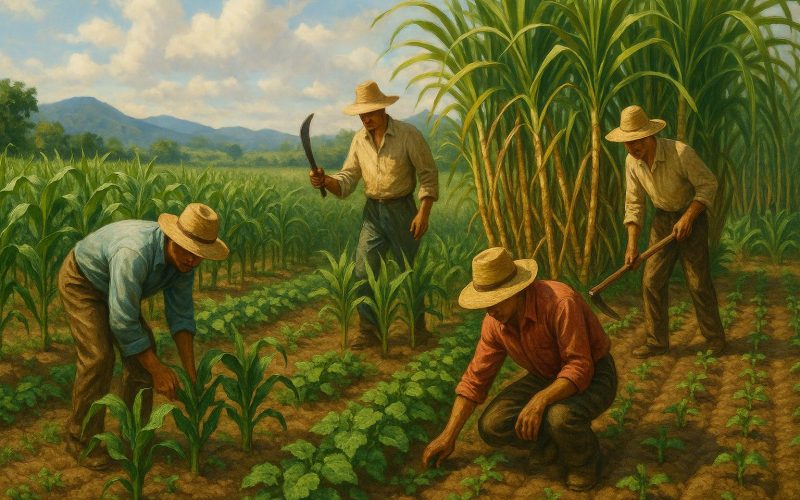
Agriculture plays a significant role in the regional economy, providing employment and contributing to GDP. This region, characterized by its diverse climatic zones, supports a variety of agricultural products that are vital for both domestic consumption and export markets. The variety in climate allows for a multitude of crops and livestock, facilitating a robust agricultural framework. The collaboration between traditional methods and modern techniques creates a dynamic structure capable of adapting to both global market demands and local needs.
Major Agricultural Products
The region produces a wide array of crops and livestock. Grains stand as a primary product, with wheat and rice being staples. These grains are integral not only to the local diet but also hold significant demand in international markets due to their quality and nutritional value. The grain production benefits from the region’s fertile soil and favorable climatic conditions. Furthermore, the grains undergo meticulous post-harvest processing to ensure they meet international standards, thereby increasing their competitive advantage in export markets.
Beyond grains, the region is noted for its production of fruits, notably citrus and grapes. The temperate climate enhances the growth of these fruits, making them of high quality and flavor. Similarly, vegetables such as tomatoes, onions, and leafy greens thrive, providing a balanced agricultural output that supports both local consumption and export requirements. The judicious application of both organic and inorganic fertilizers aids in maximizing yield and maintaining soil health.
Livestock farming is another pivotal aspect of agriculture in the region. The most prominent forms of livestock include cattle and poultry. These sectors provide essential products like milk, meat, and eggs, which form a substantial part of the regional dietary framework. The cattle industry is particularly robust, with advancing dietary and veterinary standards enhancing productivity and health, contributing significantly to the rural economy.
Economic Contribution
Agriculture is not only a provider of employment but also a major contributor to the regional GDP. The integration of modern farming techniques, such as precision farming and genetically improved seeds, has increased both productivity and efficiency. These advances have allowed the region to meet local demand while generating an exportable surplus. The rise in exports has provided substantial foreign exchange earnings, crucial for the overall economic development of the area. By participating in global markets, the region diversifies its economic reliance and safeguards against local economic volatility.
Various industries linked to agriculture, such as food processing, packaging, and distribution, have seen substantial growth. These industries create additional employment opportunities, further bolstering the economy. The government plays a vital role in facilitating infrastructure improvements and financial support programs, ensuring that agricultural practitioners remain competitive.
Export Markets
The region exports to various international markets, notably within Europe, Asia, and the Middle East. These markets have shown a consistent demand for high-quality agricultural products, and the geographical proximity of the region to these markets further aids in reducing transportation costs. Trade agreements and government incentives have significantly facilitated these exports, making the products competitive on the global stage. The competitive pricing, coupled with the reliability of supply, enhances the region’s reputation as a dependable partner in international trade.
There is a growing demand for organic and sustainably produced products in several export markets. Farmers in the region are increasingly adopting organic farming techniques and aligning with global sustainability standards. This shift not only caters to consumer preferences but also paves the way for opening new markets and increasing export potentials.
Challenges and Opportunities
Despite its successes, the agricultural sector faces several challenges. Climate change poses a threat to crop yields, with increased frequency of extreme weather events leading to unpredictable agricultural cycles. The threat of water scarcity and soil degradation adds layers of complexity to farming activities. In response to these challenges, innovative practices such as conservation agriculture and water-saving technologies are being adopted to enhance resilience.
Agrotechnology platforms offer predictive analytics tools helping farmers optimize harvests and mitigate losses due to adverse weather conditions. Collaborations with research institutions to advance sustainable farming practices ensure that the sector remains adaptive and future-ready. Networks with international sustainability organizations bolster innovation through information exchange and best practices.
In conclusion, the region’s agriculture continues to be a backbone of the economy, with exports playing a crucial role in its growth. The future of agriculture in the region relies on balancing production efficiency with environmental sustainability, adapting to market changes, and leveraging technological advancements. For more detailed insights on the agricultural practices and policies in the region, visit the Agriculture Market website.